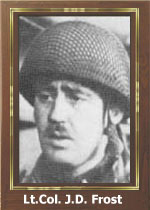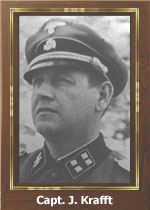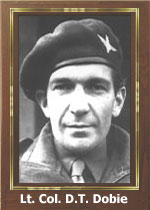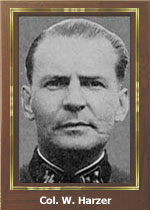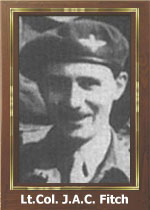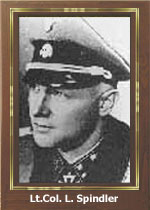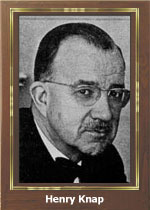









KEY FIGURES:
|
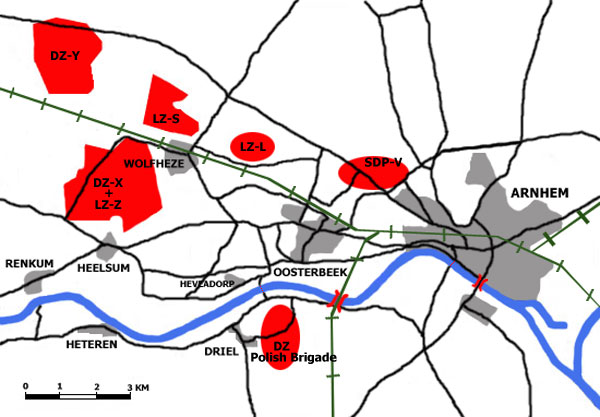
DROPPING ZONES AS PLANNED AND LOCAL SITUATION |
One of the weaknesses of Airborne troops is, they can't take enough wapens and supplies at once. Therefore quick supplying is essential. In this case many supplies were dropped on overrun zones. Because of strict orders to the pilots not to respond to signals from the ground, adjustment of dropping-zones were not possible. |
|
MAIN TARGET: ARNHEM ROAD BRIDGE |
|
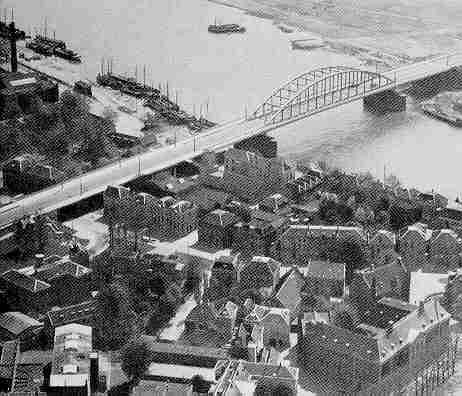 Well, here it is. The main target for the 1st Airlandingbrigade, the road-bridge
of Arnhem. One mile downstream this bridge there was a shipbridge, the middle sections
were removed a few days before the landings, so it couldn't be used for crossing. Well, here it is. The main target for the 1st Airlandingbrigade, the road-bridge
of Arnhem. One mile downstream this bridge there was a shipbridge, the middle sections
were removed a few days before the landings, so it couldn't be used for crossing.Two Miles downstream of the river Rhine, another crossing, the Railway bridge. This bridge was blown up in the face of the first troops arriving to take it. Five Miles downstream, the fourth rivercrossing, The Drielse Ferry. Some claim it was was sunk on wednesday 20st by the Dutch ferryman Pieter Hensen. But records of the engineers operating the ferry show that it was still beeing used on September 21st, so this story isn't thrue. What makes it more unlikely is that we know that both parties needed the ferry badly. The Brittish to get Polish reinforcements from Driel across to Oosterbeek and the Germans to get troops across to Nijmegen. The houses direct to the left and to the right of the bridge, offering a splendid strategic position to overlook the bridge directly. This air-reconaissance photo is taken in 1939 when Arnhem Bridge was completed. |
|
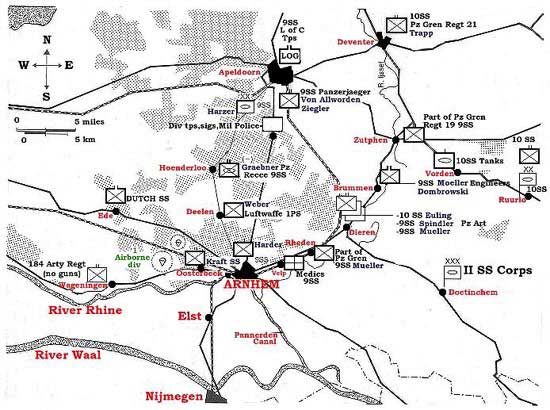
ENEMY POSITIONS ON 17 SEPTEMBER |
|
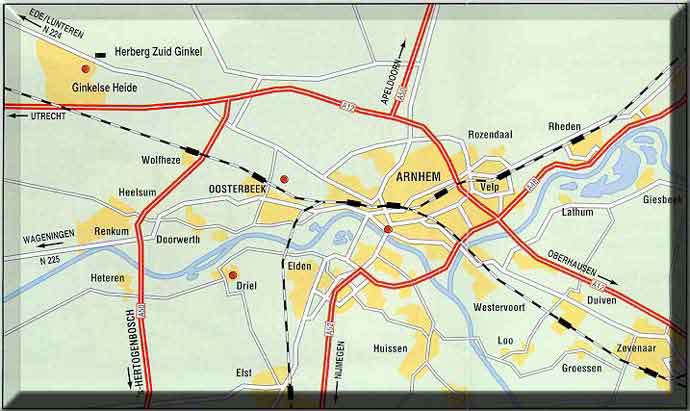
Brittish Intelligence did not take notice of the warnings of the Dutch resistance. Though MI6 didn't trust Dutch resistance very much, it was one of the best organised resistance networks in the world and it had send detailed reports about the growing strenght of German troops. Alarming was the presence of headquarters of the 9.SS and 10.SS divisions as you can see on this map. Dutch resistance spotted staf-cars of high SS officers. They also notified Brittish intelligence about the presence of armoured cars and tanks in the woods around Arnhem. Also present are the Dutch SS (!) trainees, and the SS trainings school of Major Josef Krafft. And there is the strong presence of Luftwaffe forces around the airfield of Deelen. Near the airfield, the location of a large Bunker-complex called DIOGENES, headquarters of '3rd Jagddivision', which still exists today beeing used by the government as storage-facillity for important documents. |
|
MULTIMEDIA ADDITIONS TO THIS PAGE |
|
| J.D Frost explaning the objectives (video stream) General Urquhart explaining (video stream) Henri Knap (Chief Intelligence of Arnhem resistance) explaining (video stream) |
|


|